OxyBlue OrganicsEnquire now
Health blog

Simple, trusted tips for a healthier life

Easy-to-read articles on immunity, energy, bones, stress and everyday wellness from the OxyBlue Organics team.

Latest articles

Tap "Read article" to read the full article.

Boost Your Immunity Naturally: Vitamins & Minerals That Matter
Immunity

Boost Your Immunity Naturally: Vitamins & Minerals That Matter

Vitamin C, D, zinc and a few simple habits do more for your defences than any quick fix.

Read article
Immunity

Boost Your Immunity Naturally: Vitamins & Minerals That Matter

A strong immune system is your body’s natural shield. It does not depend on one magic food, but on getting the right nutrients every day and living in a way that lets your body repair itself. Vitamin C helps immune cells work and protects them from damage. Find it in amla, guava, oranges, lemons and green leafy vegetables. Vitamin D acts like a switch for many immune cells. Morning sunlight is the best source; many Indians are still low in it, so ask your doctor whether you need a test or a supplement. Zinc helps wounds heal and supports the cells that fight infection. Pulses, nuts, seeds and whole grains are good sources. Vitamin A and antioxidants such as lycopene protect the lining of the nose, throat and gut, the first line of defence. Carrots, tomatoes, papaya and pumpkin are rich in them. Simple habits multiply the effect: sleep 7 to 8 hours, drink enough water, walk every day, manage stress and wash your hands. When your diet falls short, during illness, recovery or a busy season, a balanced multivitamin and antioxidant supplement such as the OVM range can help fill the gap. Speak to your doctor about what is right for you.


Fight Fatigue & Boost Energy Naturally
Energy

Fight Fatigue & Boost Energy Naturally

Always tired? Iron, vitamin B12 and a few daily changes can bring your energy back.

Read article
Energy

Fight Fatigue & Boost Energy Naturally

Feeling tired all the time is common, but it is not normal. Before reaching for another cup of tea, look at the most frequent causes. Low iron and anaemia are very common in India, especially in women. Iron carries oxygen in the blood; without enough of it, you feel weak and breathless. Green leafy vegetables, jaggery, dates, pulses and meat help, and vitamin C improves absorption. Vitamin B12 keeps nerves healthy and helps make red blood cells. Vegetarians and older adults are often low in it. Tingling in the hands and feet, poor memory and tiredness can be signs. Not enough protein, water or sleep also drains energy. Eat protein at every meal, drink water through the day and keep a regular sleep time. Move a little every day. Even a 20-minute walk raises energy levels more than resting. If tiredness lasts for weeks, see a doctor: a simple blood test can show anaemia, B12 or vitamin D deficiency, or thyroid problems. Iron, B12 and multivitamin supplements work best when taken for the right reason and for the right time.

Essential Nutrients for Strong Bones
Bone health

Essential Nutrients for Strong Bones

Calcium alone is not enough. Vitamin D3, K2, magnesium and exercise keep bones strong for life.

Read article
Bone health

Essential Nutrients for Strong Bones

Bones are living tissue. They are constantly broken down and rebuilt, and after the age of 30 we slowly start to lose more than we build. Osteoporosis, thin and fragile bones, often shows no signs until a fracture. Calcium is the building block. Milk, curd, paneer, ragi, sesame seeds and green vegetables are good sources. Vitamin D3 lets the body absorb that calcium. Without it, much of the calcium you eat is simply lost. Vitamin K2-7 acts like a guide that helps calcium reach the bones, rather than building up in the blood vessels. Magnesium and zinc help form the bone structure, and vitamin B12 and folate keep homocysteine low, which is linked to bone health. Weight-bearing exercise such as walking, climbing stairs and light strength training tells the body to keep bones strong. Avoid smoking and too much alcohol, both of which weaken bones. Women after menopause and older adults should ask their doctor about a bone density check and whether a calcium, vitamin D3 and K2-7 supplement is needed.

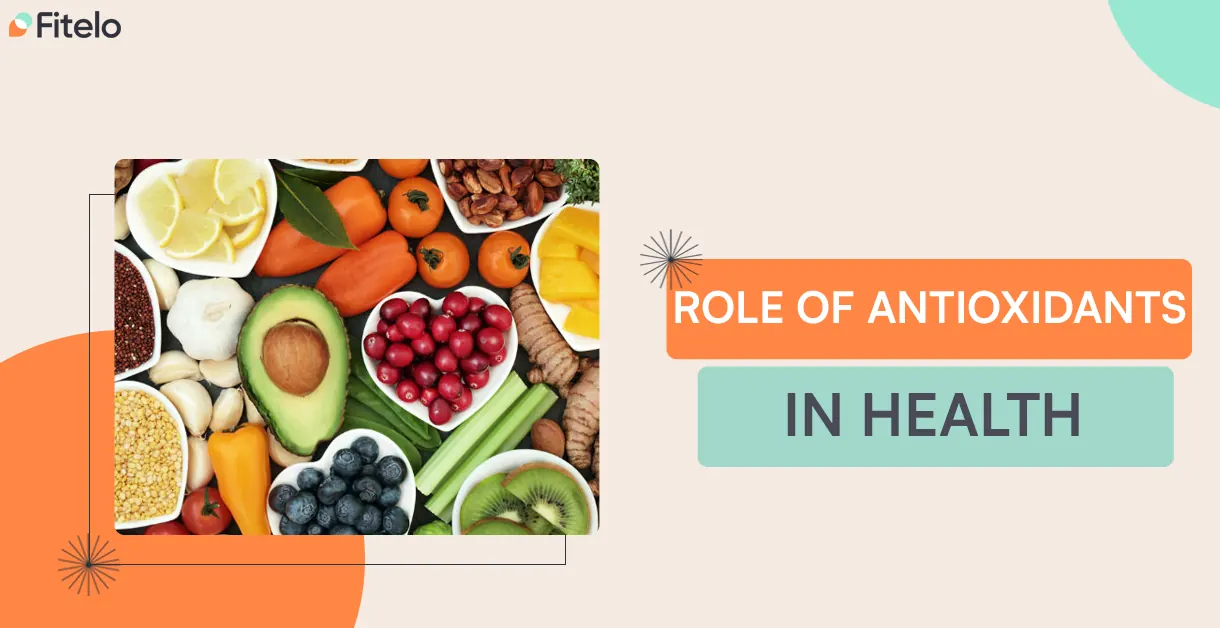
Antioxidants: How to Fight Free Radicals Naturally
Wellness

Antioxidants: How to Fight Free Radicals Naturally

What free radicals do to your cells, and the colourful foods that protect them.

Read article
Wellness

Antioxidants: How to Fight Free Radicals Naturally

Every day, normal processes in the body, pollution, smoking and stress create free radicals: unstable molecules that damage cells. Over time this oxidative stress is linked to ageing, heart disease and many long-term illnesses. Antioxidants neutralise free radicals before they cause harm. The best way to get them is a colourful plate. Lycopene, found in tomatoes, watermelon and papaya, supports heart and skin health. Lutein, in spinach, corn and egg yolk, protects the eyes. Vitamins C and E, in citrus fruits, amla, nuts and seeds, protect cell walls. Selenium, zinc and other trace elements help the body’s own antioxidant enzymes work. Eat five portions of fruits and vegetables of different colours a day, use whole grains, and limit fried and processed food. Antioxidant supplements with lycopene, lutein, vitamins and trace elements can support people with poor diets, high stress or during recovery, but they are a support for good food, not a replacement for it.

Managing Stress & Anxiety Naturally
Mind

Managing Stress & Anxiety Naturally

Simple daily steps, the right nutrients and traditional herbs can help you stay calm.

Read article
Mind

Managing Stress & Anxiety Naturally

Stress is part of modern life, but long-term stress affects sleep, digestion, blood pressure and immunity. Many stomach complaints, such as cramps and irritable bowel, become worse when we are anxious. Breathe slowly. Five minutes of deep breathing or meditation lowers stress hormones. Move your body. Walking, yoga and sports release chemicals that lift the mood. Sleep on time and keep screens away for the last hour before bed. Eat for your nerves. B vitamins (B1, B6, B12, folate), magnesium and omega-3 fatty acids support the nervous system. Whole grains, pulses, nuts, seeds and fish are good sources. Traditional herbs such as Ashwagandha and Tulsi have long been used in Ayurveda to help the body cope with stress. Talk to someone. Friends, family or a counsellor can help more than we expect. If anxiety affects your daily life, or stress shows up as stomach or sleep problems, consult a doctor. Effective treatment is available.

Daily Habits to Boost Your Immunity
Lifestyle

Daily Habits to Boost Your Immunity

Small things done every day: water, sleep, sunlight, movement and good food.

Read article
Lifestyle

Daily Habits to Boost Your Immunity

Your immune system works best with steady daily care rather than a quick fix when you fall sick. Start the day with water and a short walk in the morning sun for natural vitamin D. Eat a home-cooked, balanced plate: grains, pulses or protein, vegetables, curd and a fruit. Add immunity-friendly kitchen ingredients such as turmeric, ginger, garlic, tulsi and amla. Wash your hands before meals and after travel. Sleep 7 to 8 hours. The body repairs itself and builds immune cells during sleep. Stay active for at least 30 minutes a day and keep stress in check. Avoid smoking and limit alcohol and sugary drinks. Keep vaccinations up to date for children and adults. If your diet is limited or you are recovering from illness, a multivitamin and antioxidant supplement can help, as advised by your doctor.

How to Stay Fit and Active
Fitness

How to Stay Fit and Active

A practical guide to moving more, eating right and staying fit at every age.

Read article
Fitness

How to Stay Fit and Active

Being fit is not about the gym. It is about a body that lets you live your day with energy. Aim for 150 minutes of moderate activity a week: brisk walking, cycling, swimming, dancing or sports. Break it into 30 minutes on five days. Add strength exercises twice a week, such as squats, push-ups or light weights, to keep muscles and bones strong. Stretch or do yoga for flexibility and balance, which become more important with age. Eat enough protein to support your muscles: pulses, milk, curd, paneer, eggs, fish or a protein supplement if your diet falls short. Drink water before, during and after exercise. Rest matters too: muscles grow and repair while you sleep. Start slow, stay regular and choose an activity you enjoy. If you have a health condition, check with your doctor before starting a new exercise plan.

Top 10 Healthy Habits for a Balanced Lifestyle
Lifestyle

Top 10 Healthy Habits for a Balanced Lifestyle

Ten simple habits that add up to a healthier, happier life.

Read article
Lifestyle

Top 10 Healthy Habits for a Balanced Lifestyle

1. Eat a balanced, home-cooked diet with plenty of vegetables and fruits. 2. Drink 8 to 10 glasses of water a day. 3. Move for at least 30 minutes every day. 4. Sleep 7 to 8 hours at regular times. 5. Limit sugar, salt, fried and packaged food. 6. Do not smoke and keep alcohol low. 7. Manage stress with breathing, prayer, meditation or hobbies. 8. Spend time with family and friends. 9. Get regular health check-ups: blood pressure, sugar, cholesterol, vitamin D and B12. 10. Take medicines and supplements only as advised by your doctor, and complete the full course of antibiotics. Small steps, repeated every day, make the biggest difference. Start with two habits this week and add one more every week.

These articles are for general awareness only and do not replace advice from your doctor. Always consult a registered medical practitioner before starting any medicine or supplement.